

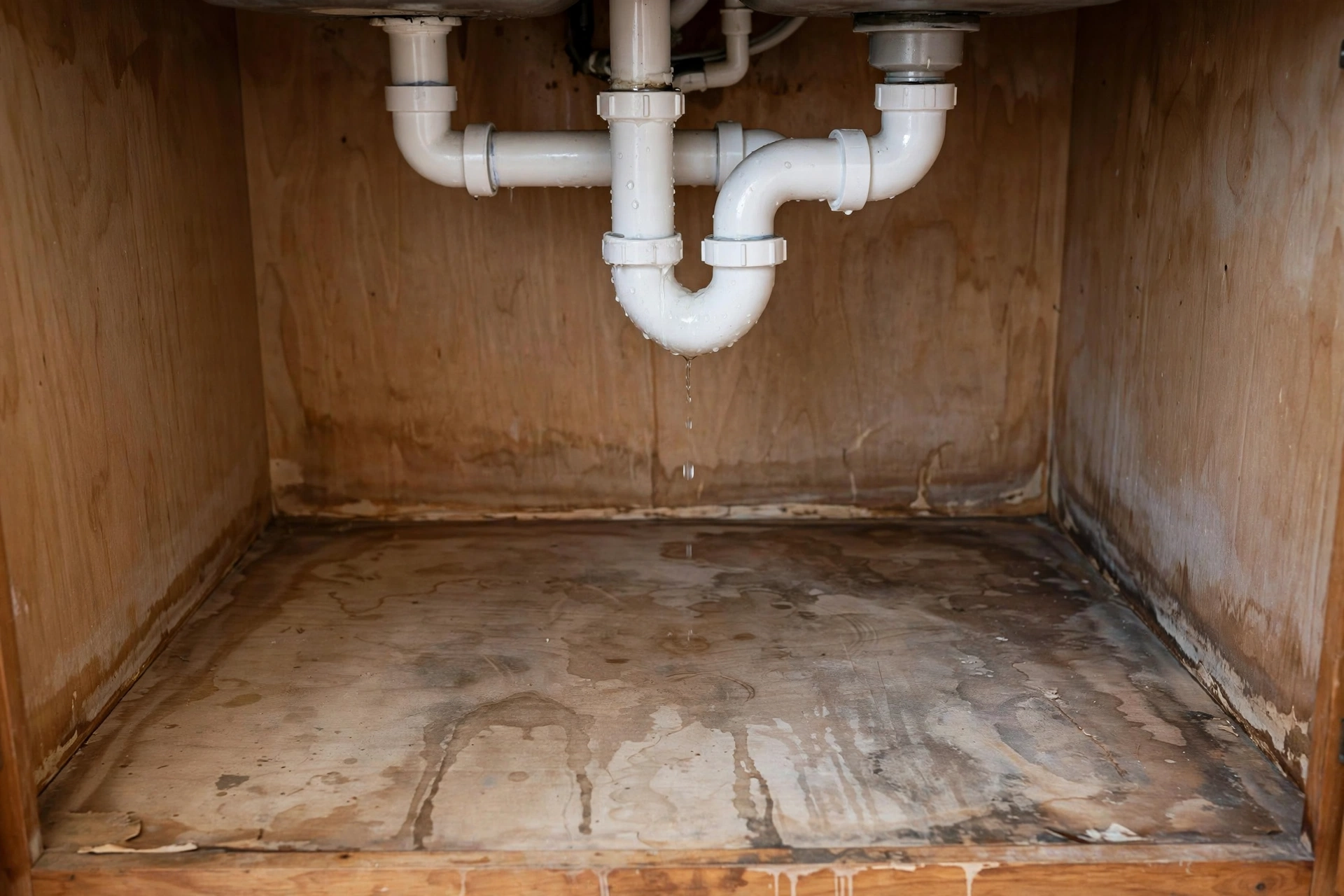
You find warped cabinetry under the sink or a soft spot in the bathroom floor. A pipe has been dripping for months, maybe longer. The repair bill is in the thousands, so the natural question is: does homeowners insurance cover slow leaks?
The honest answer is usually no. Standard homeowners policies cover sudden and accidental water damage, like a burst pipe, but they exclude damage that happens gradually over time. A slow leak sits squarely on the excluded side of that line in most policies. That said, the details matter, and there are situations where part of the loss may still be covered.
This guide explains the gradual damage exclusion, where adjusters draw the line, the exceptions worth knowing, and how to document a claim so it is not denied for the wrong reasons.
Sudden vs. gradual: the distinction that decides your claim
Every standard homeowners policy distinguishes between sudden, accidental damage and damage that develops over time. A supply line that bursts overnight and floods the kitchen is sudden. A drain connection that drips for six months, rotting the cabinet base and subfloor, is gradual. The first is typically covered; the second is typically excluded under maintenance and wear-and-tear language.
Insurers frame gradual damage as preventable through maintenance. Their position is that insurance covers unexpected events, not the slow failure of aging components. Whether you actually could have detected the leak is often beside the point in the policy language, which is why these denials surprise so many homeowners.
For the broader picture of what policies do cover, see our guide to homeowners insurance and water damage, which covers the covered perils and common exclusions.
How adjusters decide a leak was “gradual”
Adjusters look for evidence of time: staining patterns, rot, mold growth, mineral deposits, and corrosion on fittings. A fresh burst leaves clean, sudden damage. A slow leak leaves a trail of deterioration that takes months to develop. Mold is especially telling, because significant mold growth implies moisture was present for an extended period, which is why our guide to homeowners insurance and mold is worth reading alongside this one.
The leak’s location matters too. Slow leaks under sinks are the classic example: the cabinet hides the drip, the homeowner never looks, and by the time it is discovered the damage is extensive. Insurers argue a routine check would have caught it, even though almost nobody checks under their sink monthly.
The gray areas where slow leaks can be covered
Not every slow-developing loss is excluded, and this is where reading your specific policy matters. Some policies cover the resulting damage even when the leak itself developed over time, particularly if the leak was hidden inside a wall and genuinely undiscoverable. Courts in several states have sided with homeowners when insurers could not show the homeowner knew or should have known about the problem.
Another gray area is the repair versus damage distinction. Insurers typically pay for the damage the water caused, not the repair of the failed pipe or fixture itself. Even on a covered sudden loss, the broken part is usually your expense. On a gradual loss, both the repair and the damage are typically excluded, but the resulting damage is where the arguments happen.
Endorsements can change the picture. Some carriers offer limited water damage or hidden leak endorsements that add back a capped amount of coverage for seepage losses. They are not standard, but they exist, and they are worth asking your agent about before you need one.
Flooding and other exclusions that overlap
Slow leaks are not the only water exclusion that catches people off guard. Standard homeowners policies never cover flooding from outside the home, storm surge, groundwater seepage, or sewer backup without a separate endorsement. Flood damage requires a separate flood insurance policy, and flood safety resources note that flooding is one of the most common and costly U.S. natural hazards.
If you are in a flood-prone area, FEMA’s disaster assistance resources explain the role flood insurance plays where homeowners policies stop. The point for this article: know which exclusion applies to your loss, because arguing a slow leak when the real issue is groundwater seepage wastes the appeal.
How to document a water damage claim properly
How you handle the first 48 hours can matter as much as the policy language. Photograph everything before you clean up: the leak source, the damage, staining, and any standing water. Stop the leak or have a plumber stop it, and keep every receipt for emergency repairs, because policies typically require you to mitigate further damage.
Report the claim promptly. Delays give adjusters room to argue the damage worsened through neglect. Keep a written timeline of when you discovered the problem and what you did about it. If the leak was inside a wall or otherwise hidden, document that specifically: photos of the intact wall before opening, the plumber’s notes about the leak’s location, and any statement about how long it likely ran.
Do not throw away damaged materials before the adjuster sees them, or photograph them thoroughly if you must for health reasons. Our guide on what to do when a water damage claim is denied covers the appeal process, including how to request the denial in writing and what documentation strengthens a second look.
Preventing the losses insurers will not pay for
Since gradual damage is largely on you, prevention is the real coverage. Check under sinks quarterly, look at supply line connections, and replace rubber washing machine hoses with braided stainless steel lines. Know where your main water shutoff is before you need it. Consider a water leak detector under the sink, behind the washing machine, and near the water heater; basic models cost $25 to $50 each and alert your phone.
For homes with older plumbing, a periodic professional inspection is cheap compared to a denied claim. A plumber can spot corroded fittings and failing valves that a homeowner would never notice, and the visit creates a paper trail showing you maintained the system.
Note: This is general information, not legal or insurance advice. Coverage depends on your specific policy and state rules, so check with your insurer or agent.
Frequently Asked Questions
Does homeowners insurance cover a slow leak under the sink?
Usually no. Under-sink leaks are the textbook example of gradual damage, and most policies exclude them as a maintenance issue. If the leak was hidden inside the wall behind the cabinet and you can document that, some policies and some states treat the resulting damage more favorably, but the failed connection itself is almost never covered.
What is the difference between sudden and gradual water damage?
Sudden damage happens all at once from an unexpected event, like a burst pipe or an appliance hose that lets go. Gradual damage develops over weeks or months, like a slow drip, seepage, or long-term condensation. Policies cover the sudden category and exclude the gradual one as wear and tear or maintenance.
Can I appeal a denied slow leak claim?
Yes. Request the denial in writing with the specific policy language cited, then build your case: photos, plumber notes, maintenance records, and any evidence the leak was hidden. If the amount justifies it, a public adjuster or an insurance attorney can evaluate whether the denial was proper under your state’s rules.
Does insurance cover mold from a slow leak?
Generally, mold resulting from an excluded cause is also excluded, which makes slow-leak mold one of the most commonly denied claims. Some policies have limited mold endorsements with caps around $5,000 to $10,000. Check whether your policy includes one before you need it.
Will my premium go up if I file a water damage claim?
It can. Water damage claims are among the claim types most associated with premium increases and even non-renewal, which is another reason to reserve claims for significant, clearly covered losses. A denied claim can still appear on your claims history, so it is worth being reasonably confident in coverage before filing.
What endorsements help with water damage?
Ask your agent about water backup coverage for sump and sewer losses, and about any hidden leak or seepage endorsements your carrier offers. Flood insurance is separate and essential if you are in a flood zone. None of these are standard, and each adds to your premium, so weigh the cost against your home’s risk profile.
The bottom line
Homeowners insurance covers slow leaks only in narrow exceptions; the default answer is no. The policy is built for sudden accidents, not slow deterioration. That makes prevention your real protection: inspect plumbing regularly, use leak detectors, and fix small problems before they become big ones. And when a significant loss happens, document thoroughly and fast, because the details of how and when you discovered it can matter as much as the policy itself.