

Water is pooling on your floor, and after the shock comes the practical question: is any of this going to be covered? The answer frustrates a lot of homeowners, because homeowners insurance covers some kinds of water damage fully, excludes others entirely, and the difference usually comes down to one thing: where the water came from.
This guide explains what standard policies typically cover, what they exclude, how flood insurance fits in, and how to give your claim the best possible chance.
The short answer: it depends on the cause
Homeowners insurance does not cover “water damage” as a single category. It covers specific causes of loss, called perils. A sudden burst pipe is a covered peril under most policies. Rising floodwater from a storm is not, and needs separate flood insurance. The same soaked carpet can be fully covered or completely excluded depending on how the water got there.
There is also a second test many policies apply: was the damage sudden and accidental, or gradual and preventable? Insurance is designed for surprises, not maintenance issues. A pipe that bursts overnight is a surprise. A pipe that dripped inside a wall for six months is, in the insurer’s view, a maintenance failure.
The line between sudden and gradual is where most disputes happen. An adjuster will ask when the damage started and whether you could have found it sooner. A supply line that bursts at 2 a.m. is sudden; a drip hidden inside a wall for months sits in a gray area, and noting when you first saw it matters.
What homeowners insurance usually covers
While every policy differs, standard HO-3 policies commonly cover water damage from these sudden, accidental sources:
- Burst or frozen pipes, including the resulting water damage to walls, floors, and belongings. Note that the pipe repair itself is sometimes excluded even when the water damage is covered.
- Appliance failures, such as a washing machine hose that lets go or a dishwasher that overflows without warning.
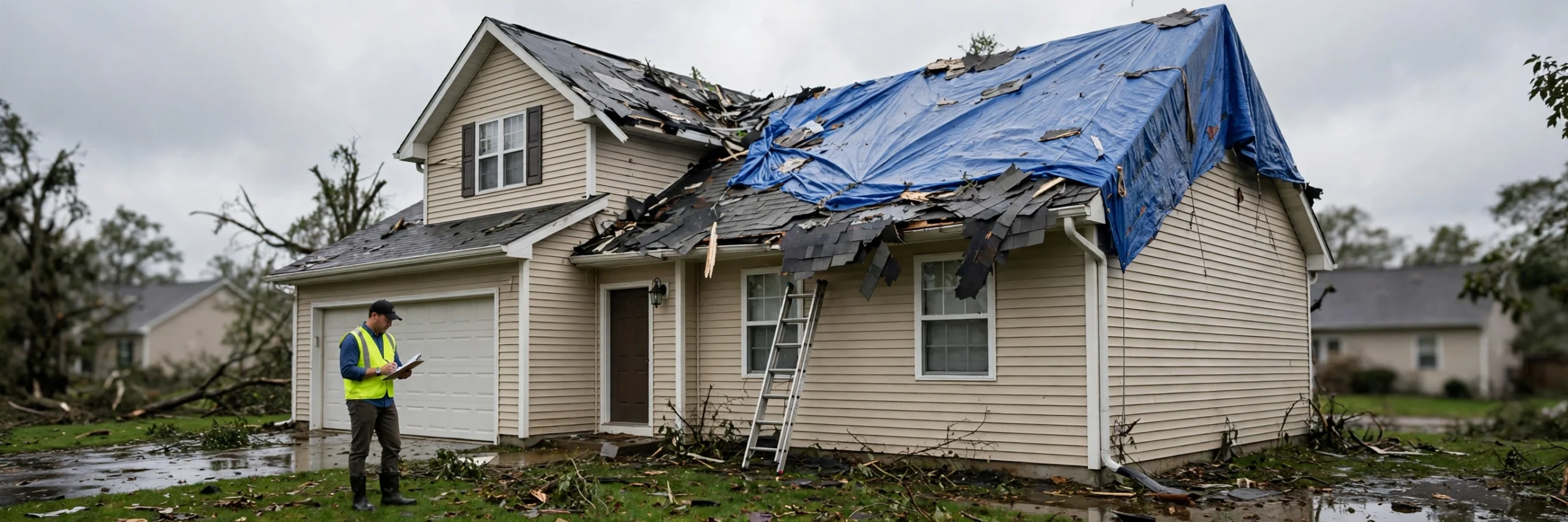
- Storm-created openings: if wind tears off shingles and rain pours in through the hole, the resulting water damage is typically covered.
- Water used to fight a fire, including sprinkler discharge and firefighter hoses.
- Accidental overflow from plumbing fixtures, like a toilet supply line failure.
Coverage usually pays for two things: repairing the damaged structure (drywall, flooring, cabinets) and replacing damaged personal property, minus your deductible. If the home becomes uninhabitable during repairs, loss-of-use coverage can pay for temporary housing.
What it usually does not cover
The exclusions surprise more people than the coverages. Standard policies typically exclude:
- Floods: rising water from storms, overflowing rivers, or storm surge. This is the big one, and it requires separate flood insurance, usually through the National Flood Insurance Program or a private insurer. FEMA’s site is the starting point for understanding federal flood coverage.
- Sewer or drain backup, unless you bought a specific endorsement adding it. Standard limits for this endorsement are often 5,000 to 10,000 dollars, which many homeowners never think to raise.
- Gradual leaks and seepage: long-term drips, groundwater seeping through foundations, and condensation damage are considered maintenance issues.
- Sump pump overflow, unless your water backup endorsement names it. This exclusion surprises many basement owners, since pumps fail during storms when you need them most.
- Wear and tear on aging plumbing: if a pipe fails from decades of corrosion, replacing the pipe itself is usually excluded, even when the resulting water damage is covered.
- Neglect: damage that got worse because you did not act, such as ignoring a known roof leak for a year.
- Mold resulting from an excluded cause or from long-term moisture. Mold tied to a covered sudden event is often covered, at least up to a sublimit, commonly around 10,000 dollars.
Ready.gov’s flood pages explain why standard policies draw this line: flood risk is geographically concentrated, so it is handled through a separate program rather than bundled into every homeowner’s policy.
Flood insurance versus homeowners insurance
This distinction deserves its own section because it causes the most claim denials. Homeowners insurance covers water that comes from inside (pipes, appliances) or through storm damage to the structure. Flood insurance covers water that comes from outside and rises: storm surge, flash floods, overflowing waterways, and heavy rain that accumulates.
If you live anywhere near a floodplain, a coast, or an area with poor drainage, flood insurance is worth pricing even if your mortgage does not require it. A significant share of flood claims come from outside high-risk zones. There is also typically a 30-day waiting period before NFIP coverage takes effect, so you cannot buy it the week a hurricane is forecast.
State rules can change the fine print
Insurance is regulated state by state, so the same damage can be handled differently where you live. Some states restrict anti-concurrent causation clauses, which let an insurer deny a claim when an excluded cause mixes with a covered one. Hurricane-prone states often apply separate, higher windstorm deductibles. Check the state endorsements at the back of your policy.
How to read your own policy
Do not rely on memory or assumptions; pull out the actual policy documents and check three sections:
- The declarations page: confirms your coverage limits, deductible, and any endorsements you bought (like sewer backup or extra mold coverage).
- Covered perils: the list of causes your policy pays for. “Open perils” policies cover everything except listed exclusions; “named perils” policies cover only what is listed.
- Exclusions: the list of what is never covered. Read this section twice. Water-related exclusions live here, and the wording is precise for a reason.
If the language is unclear, call your agent and ask for plain-English answers to specific scenarios: “If my water heater ruptures, is the resulting damage covered?” Get important answers in writing or take notes with dates.
Questions to ask your agent
Ask your agent these questions before you need to file a claim:
- Do I have sewer backup and sump pump overflow coverage, and what are the limits?
- What is my mold sublimit, and is it per occurrence or per policy period?
- Do I have a separate hurricane or windstorm deductible?
- What is the claim deadline, and does it start at the event or discovery?
Filing a claim the right way
How you handle the first days has a big effect on the outcome. Follow this order:
- Mitigate further damage immediately. Shut off water, move belongings, and start drying. Policies require you to prevent additional damage, and adjusters notice when you did. Our guide to drying out a flooded basement covers the practical side.
- Document everything before cleanup changes the scene. Photos, video, and a written inventory with approximate ages and values.
- Notify your insurer promptly. Most policies require prompt notice; waiting weeks can jeopardize the claim.
- Keep every receipt. Emergency repairs, equipment rental, temporary housing, and even meals out during displacement can be reimbursable.
- Meet the adjuster prepared. Have your documentation organized, your inventory ready, and a contractor estimate or two for comparison.
- Get repair estimates yourself. Knowing what fixing water damage in walls actually costs in your area keeps settlement discussions grounded.
For the full filing walkthrough, see our step-by-step guide to filing a water damage insurance claim, which covers timelines, paperwork, and what to do if the first offer is too low.
Note: This is general information, not legal or insurance advice. Coverage depends on your specific policy and state rules, so check with your insurer or agent.
Frequently Asked Questions
Does homeowners insurance cover slow leaks?
Generally, no. Damage from leaks that continued over weeks or months is usually classified as a maintenance issue and excluded. The exception is a leak that was genuinely hidden and undiscoverable, which some policies treat more leniently.
Is mold remediation covered by homeowners insurance?
Sometimes, when the mold resulted from a covered sudden event like a burst pipe. Many policies cap mold coverage at a sublimit, often around 10,000 dollars, and exclude mold from long-term moisture or flooding.
Does insurance cover the cost of finding the leak?
Often the resulting damage is covered but the repair to the failed pipe or appliance itself is not. Some policies include limited “tear-out” coverage for opening walls to find a leak from a covered peril. Check your exclusions section.
What if my claim is denied?
Ask for the denial in writing with the specific policy language cited, then review whether the cited exclusion truly applies. You can appeal internally, hire a public adjuster, or consult an attorney for large disputes. Do not accept a verbal denial as final.
Should I file a claim for minor water damage?
Compare the repair cost against your deductible and consider your claims history. Filing a small claim barely above the deductible can raise premiums or count against you at renewal. Many homeowners self-pay for anything under roughly twice their deductible.
What to do next
Pull out your policy today, before you need it, and confirm how it treats the most common scenarios: burst pipes, appliance failures, sewer backup, and flooding. If you already have damage, document thoroughly, mitigate fast, and read our step-by-step claim filing guide before you call the insurer.