

You found the leak, stopped the water, and started mopping up. Now a different question is nagging at you: how fast do I actually need to dry this out before mold moves in?
Faster than most people think. Mold does not wait a week, or even a few days. Under the right conditions, it can start growing within 24 to 48 hours of water exposure. That narrow window is exactly why restoration professionals treat drying as an emergency, not a weekend project.
This guide walks through the real timeline of mold growth after water damage, the conditions that speed it up or slow it down, and what to do during those first critical hours to stay ahead of it.
The 24 to 48 hour rule, explained
The 24 to 48 hour rule comes from EPA guidance on mold and moisture in the home: porous materials that stay wet for more than about two days are at high risk of mold growth. It is not a guarantee that mold appears at hour 49, and it is not a promise that you are safe at hour 47. It is a practical threshold based on how mold biology actually works.
Mold spores are already everywhere, indoors and out. They float in normal household air by the thousands. What they usually lack is sustained moisture. Give them a wet surface and they germinate, spread fine root-like threads into the material, and start producing new spores. On a soaked piece of drywall in a warm room, that process gets going fast.
Think of the rule this way: 24 hours is when growth can begin, and 48 hours is when it commonly does. Your real deadline is to get materials meaningfully drying well before the second day ends. If you are trying to plan the whole job, our breakdown of how long water damage restoration takes puts that drying window in context with the full repair timeline.
What mold needs to grow: four ingredients
Mold is not picky, which is the problem. It needs just four things, and a water-damaged home usually provides all of them at once.
1. Moisture
This is the big one. Spores can sit dormant for months or years, then activate within hours of getting wet. Anything above about 60 percent relative humidity at a surface is enough to get things started, and standing water or saturated drywall is far beyond that threshold.
2. A food source
Mold eats organic material. Drywall paper, wood framing, carpet backing, ceiling tiles, dust, and even the grime on concrete all qualify. That is why mold loves drywall so much: the paper facing is basically lunch.
3. The right temperature
Most indoor molds grow happily between about 60 and 80 degrees Fahrenheit, which is normal room temperature. Cold slows growth but rarely stops it, and warmth speeds it up noticeably.
4. Time
Given the first three, time does the rest. This is the only ingredient you can fully control, and that is what the whole 48-hour race is about.
Molds can be found almost anywhere; they can grow on virtually any organic substance, as long as moisture and oxygen are present. That is the EPA’s plain-English summary of the problem, and it explains why drying beats scrubbing every single time.
A realistic mold growth timeline
Here is what typically happens after clean water soaks into common building materials at room temperature. Dirty water, such as gray water or black water from sewage or flooding, can compress this timeline because it brings extra nutrients and microbes along with the moisture.
- 0 to 12 hours: Materials absorb water. Drywall wicks moisture upward, wood swells, carpet padding saturates. Spores landing on wet surfaces begin to hydrate. Nothing visible yet.
- 12 to 24 hours: Germination begins on the most vulnerable materials: drywall paper, cardboard, and fabrics. A musty odor may start faintly in enclosed spaces.
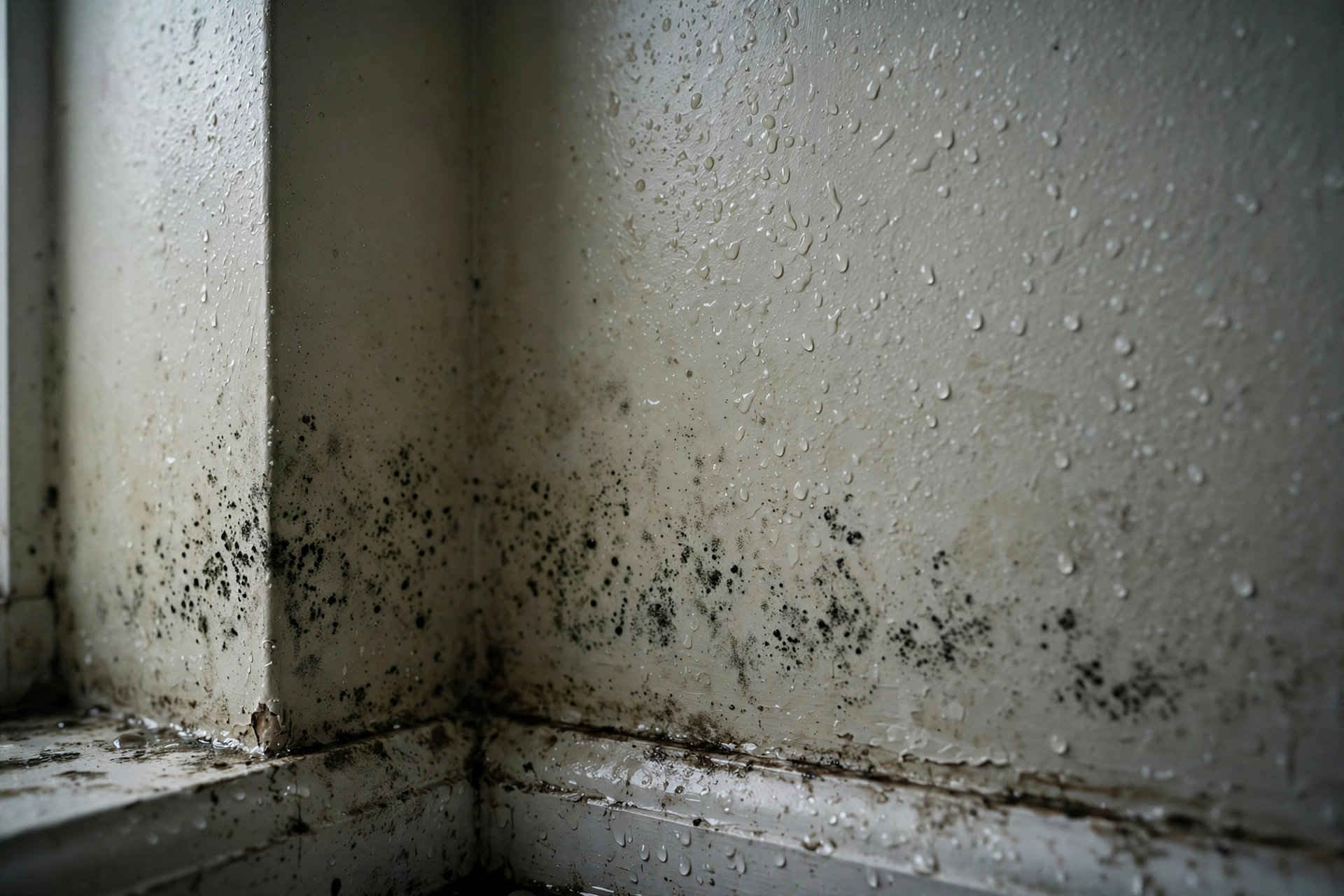
- 24 to 48 hours: Visible growth often appears as small discolored spots, fuzzy patches, or dark staining, especially on drywall and ceiling tiles. This is the window the EPA flags as the danger zone.
- 48 to 72 hours: Colonies expand rapidly and musty smells get stronger. Porous materials like carpet padding and insulation are usually considered non-salvageable at this point.
- Beyond 72 hours: Growth spreads into wall cavities and subfloors. What started as a drying job increasingly becomes a mold removal project, which costs far more than drying ever would.
These are typical ranges, not lab certainties. Cool temperatures, good airflow, and fast water extraction can stretch the timeline in your favor. Heat, humidity, and hidden moisture behind walls can shrink it. When in doubt, assume the faster end of the range and act accordingly.
Which materials grow mold fastest
Not everything molds at the same speed. Knowing the ranking helps you triage when time and equipment are limited.
- Fastest, around 24 hours: drywall paper, wallpaper, cardboard, fabrics, and carpet. The paper facing on drywall is the classic first victim.
- Medium, 2 to 5 days: solid wood, plywood, and ceiling tiles. Wood resists briefly, then gives in, especially at joints and end grain where water penetrates easily.
- Slowest, a week or more: concrete, tile, glass, and metal. These do not feed mold themselves, but the dust and grime sitting on them can, so they are not truly immune.
Insulation deserves special mention. Fiberglass batts trap water and are nearly impossible to dry in place once saturated. Professionals usually remove and replace wet insulation rather than fight a losing drying battle.
Early signs mold has already started
Catch growth early and cleanup stays small and cheap. Watch for these in the days after any water event:
- A musty or earthy smell that was not there before, especially in closed rooms or near the damaged area
- Small dark, green, or gray spots on walls, baseboards, or ceilings
- Paint that bubbles, peels, or looks stained even after the surface feels dry
- Allergy-like symptoms, such as sneezing or itchy eyes, that show up mainly in one part of the house
A smell without visible spots often means growth inside the wall cavity, where you cannot see it yet. Our guide to the signs of mold behind drywall covers where to look first and how pros confirm it with moisture meters and small inspection openings.
How to beat the clock: drying steps that work
Speed matters more than perfection here. Work through these in order:
- Stop the water first. Shut off the supply valve, patch the source, or call a plumber. Drying while water is still flowing is pointless.
- Remove standing water. Use a wet vacuum, mop, or pump. Every hour of standing water is an hour of wicking deeper into walls and subfloors.
- Get air moving. Open windows if the outside air is drier, and aim fans directly at wet surfaces. Airflow across a surface can cut drying time dramatically.
- Dehumidify aggressively. A real dehumidifier pulls gallons of moisture from the air and is the single most effective tool after extraction. Run it continuously and empty it often.
- Pull out what cannot dry. Wet carpet padding, soaked cardboard boxes, and saturated insulation usually need to go. Removing them also exposes hidden wet surfaces to the air.
- Check inside the walls. A pin-type moisture meter costs about 30 to 50 dollars and tells you whether studs and drywall are actually dry or just dry on the surface.
For a full room-by-room plan after a major flood, see our guide to drying out a flooded basement in the first 48 hours. The same principles apply anywhere in the house.
When the 48 hours have already passed
Do not panic, but do change strategy. Once visible mold is growing, drying alone will not fix it. Dead mold can still cause odor and allergic reactions, and living colonies keep spreading until they are physically removed. Small surface patches, under about 10 square feet, on hard non-porous surfaces can often be handled with careful DIY cleanup following EPA mold cleanup guidance and the CDC’s mold cleanup tips: wear protective gear, ventilate the area, and avoid dry brushing that spreads spores through the house.
Larger growth, mold inside walls or HVAC systems, or any mold after sewage or floodwater exposure calls for professional remediation. That is a different job involving containment and proper filtration, and our room-by-room mold removal guide explains exactly what that process looks like.
Frequently Asked Questions
Can mold really grow in just 24 hours?
It can begin germinating within 24 hours on highly vulnerable materials like wet drywall paper in warm conditions, though visible colonies more commonly appear between 24 and 48 hours. Treat the entire first day as your best window for prevention.
Does mold grow faster in summer?
Usually, yes. Warm air holds more moisture, and most indoor molds grow fastest between 60 and 80 degrees. Summer humidity also keeps materials damp longer, which shortens your safe drying window considerably.
Will mold grow if the surface feels dry to the touch?
It can. Surfaces often feel dry while the material underneath is still wet, especially with drywall and wood. A moisture meter is the reliable check here; touch alone is not trustworthy.
Can I just spray bleach and skip the drying?
No. Bleach does not prevent regrowth on porous materials, and it does nothing about the moisture that mold needs to survive. Drying is the actual fix; cleaning comes after the material is dry.
Does cold weather stop mold from growing?
Cold slows growth but rarely stops it. Mold can grow in cool basements and crawl spaces year-round as long as moisture is present, so do not count on winter temperatures as protection.
What to do next
The 24 to 48 hour rule is simple in practice: dry fast, verify with a moisture meter, and treat anything still wet after two days as a mold risk. If you are dealing with a larger flood, start with our step-by-step basement drying guide and keep the fans and dehumidifier running until readings are truly back to normal.