

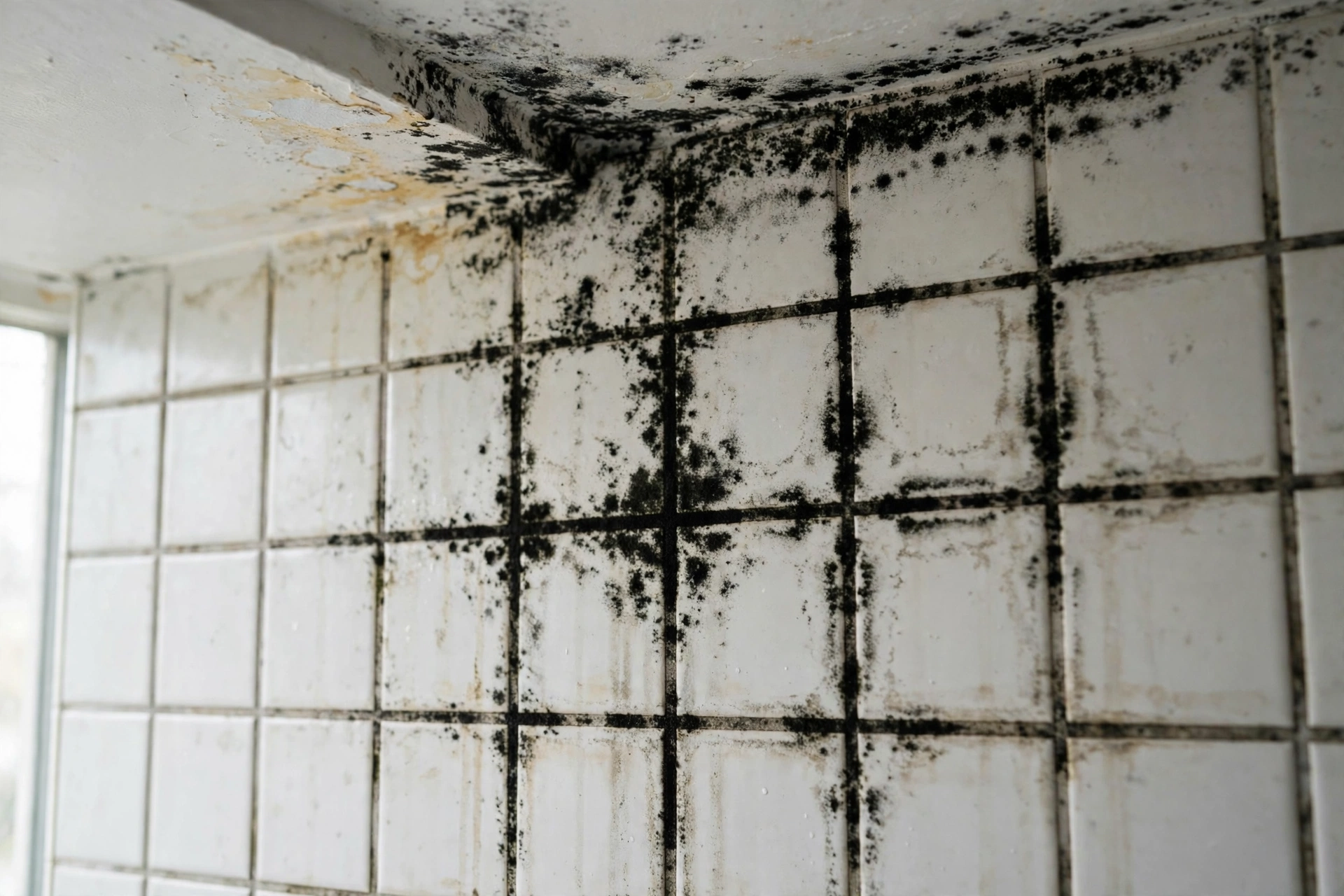
Black mold has a scary reputation, and some of it is earned. But the internet is also full of exaggerated claims that leave homeowners either panicking over a few spots on the shower caulk or ignoring a genuine problem. The truth sits in the middle: mold exposure can cause real health effects, the risk depends heavily on who is exposed and for how long, and doctors have clear guidance on what to watch for.
This article summarizes what physicians and public health agencies actually say about black mold health effects, who is most vulnerable, and when symptoms warrant a call to your healthcare provider.
What “black mold” actually is
“Black mold” usually refers to Stachybotrys chartarum, a dark greenish-black mold that grows on materials with high cellulose content (drywall, wood, ceiling tiles) that have stayed wet for a long time. But many molds look black, and you cannot identify the species by color alone; lab testing is the only way to know for sure.
Here is the part that surprises most people: public health agencies generally treat all indoor mold growth the same way. The CDC’s guidance on mold and health focuses on the extent of growth and the sensitivity of the people exposed, not the species. A large patch of “ordinary” mold in a damp basement can cause more symptoms than a small patch of Stachybotrys in an attic. The EPA takes the same position: any visible indoor mold should be cleaned up, regardless of type (EPA on what molds are).
How mold exposure affects the body
Mold affects people mainly through inhaled spores and fragments, which can irritate the airways, trigger allergic reactions, and in some cases provoke asthma attacks. Some molds also produce mycotoxins, compounds that are toxic in high doses, though the health significance of typical indoor mycotoxin exposure is still debated among researchers.
Three factors determine how strongly someone reacts:
- Amount and duration of exposure. A few spots on bathroom grout are very different from sleeping for months in a bedroom with mold behind the drywall.
- Individual sensitivity. People with mold allergies, asthma, or other respiratory conditions react at much lower exposure levels.
- Immune status. People with weakened immune systems face the highest risk, including rare but serious fungal infections.
Common symptoms doctors see
Physicians evaluating possible mold-related illness most often hear about this cluster of symptoms. None of them is unique to mold, which is why diagnosis requires a proper medical workup rather than self-diagnosis from the internet.
Nasal and sinus symptoms
Stuffy or runny nose, sneezing, post-nasal drip, and sinus pressure are the most common complaints. They often follow a pattern: worse at home, better at work or on vacation, worse again on return.
Eye and throat irritation
Red, itchy, or watery eyes and a scratchy throat or cough are classic irritation responses to airborne spores. These tend to track with time spent in the affected space.
Respiratory symptoms
Wheezing, chest tightness, and shortness of breath, particularly in people with asthma. Mold exposure is a well-established asthma trigger, and doctors take new or worsening asthma in a damp home seriously.
Skin reactions
Rashes or hives in sensitive individuals, usually from direct contact during cleanup without gloves or from heavy airborne exposure.
Headaches and fatigue
Some patients report headaches, difficulty concentrating, or fatigue. These are real symptoms, but they are also nonspecific, so doctors look for the exposure pattern and rule out other causes first.
Who is most at risk
Most healthy adults can tolerate small, brief mold exposures without lasting effects. Risk concentrates in specific groups, and doctors flag these patients for extra caution:
- People with asthma or chronic lung disease. Mold is a known trigger for attacks and symptom flare-ups.
- People with mold allergies. Even modest spore levels can provoke strong allergic responses.
- Infants and children. Developing airways are more vulnerable, and studies link damp indoor environments to childhood respiratory issues.
- Older adults. Age-related immune and lung changes increase susceptibility.
- Immunocompromised individuals. People undergoing chemotherapy, organ transplant recipients, and those with certain immune disorders face the highest risk, including invasive fungal infections that are rare in healthy people.
If anyone in your household falls into these groups, take indoor mold growth more seriously and remediate sooner rather than later.
What about “toxic mold syndrome”?
You may have seen claims that black mold causes memory loss, chronic fatigue, or neurological damage. This is where doctors urge caution. While mycotoxins are real compounds and high-dose exposures (mostly occupational, like in agriculture) can cause serious illness, the evidence linking typical indoor mold exposure to neurological symptoms is limited and contested.
Reputable medical organizations advise against expensive “mold illness” diagnoses based on unvalidated tests. If you have persistent unexplained symptoms, see a board-certified allergist, pulmonologist, or your primary care doctor for a proper evaluation rather than relying on internet test kits. Our companion piece separates fact from fear on black mold dangers in more detail.
When to see a doctor
Make an appointment if you notice:
- Respiratory symptoms (wheezing, persistent cough, shortness of breath) that started or worsened after mold exposure
- Allergy-like symptoms that clearly track with time spent in a specific damp room or building
- Any breathing difficulty in a child, older adult, or immunocompromised person with known mold exposure
- Symptoms that do not improve after the mold is remediated (suggesting another cause or a missed source)
Bring useful information to the visit: where and how much mold you found, how long the exposure lasted, photos of the growth, and whether symptoms improve away from home. That pattern is diagnostically valuable.
Seek urgent care for severe breathing difficulty, chest pain, or signs of a serious allergic reaction. These are uncommon with mold exposure but always warrant immediate attention.
Reducing exposure while you remediate
Health protection and mold cleanup go together. While arranging remediation, it helps to understand how black mold removal works so you know what the crew should (and should not) do:
- Keep vulnerable people (children, asthmatics, immunocompromised) out of affected rooms entirely.
- Do not run the HVAC fan continuously if mold is near ducts; it can spread spores through the house.
- If you must enter the area, wear an N95 respirator, goggles, and gloves. A dust mask is not sufficient.
- Fix the moisture source first. Cleaning mold without fixing the leak guarantees it returns, along with the symptoms.
- Small surface areas (under about 10 square feet) can often be handled DIY with proper protection; larger growth calls for professional remediation with containment.
Moisture problems often start with building issues like roof leaks that go unnoticed. Finding and fixing the water source is as much a health measure as the cleanup itself. The EPA’s mold resources offer practical cleanup guidance for homeowners.
Health note: This article is for general information only and is not medical advice. If you have symptoms you think may be related to mold exposure, talk to a qualified healthcare provider.
Frequently Asked Questions
Can black mold make you sick?
Yes, mold exposure can cause nasal congestion, eye and throat irritation, coughing, wheezing, and skin rashes, especially in allergic or asthmatic individuals. Serious illness is uncommon in healthy adults but risk is higher for vulnerable groups.
How long does it take for mold exposure to cause symptoms?
Allergic and irritant symptoms can appear within hours of heavy exposure. Effects of long-term low-level exposure develop over weeks to months, which is why the “worse at home, better away” pattern is so telling.
Is black mold more dangerous than other molds?
Not necessarily. Health agencies advise treating all indoor mold growth seriously regardless of color or species, since sensitivity and exposure level matter more than the exact type.
Can mold exposure cause permanent lung damage?
In healthy people, mold-related respiratory symptoms usually resolve once exposure ends. People with chronic lung disease or compromised immunity can develop more serious complications, which is why they should avoid exposure and seek care promptly.
Should I get my home tested for mold if someone is sick?
Testing the air rarely changes the medical plan; doctors generally care more about visible growth and the exposure pattern. Money is usually better spent finding and fixing the moisture source and remediating visible mold.
Do air purifiers help with mold symptoms?
HEPA air purifiers can reduce airborne spore levels and may ease symptoms, but they do not fix the underlying growth. Think of them as a supplement to remediation, not a substitute.
Bottom line
Take mold seriously without spiraling: it can cause genuine respiratory and allergic symptoms, vulnerable people need extra protection, and the fix is always the same unglamorous pair, remove the moisture and remove the mold. If symptoms track with exposure, see a doctor and bring the pattern with you. And if you are weighing how worried to be about a specific growth, our fact vs fear guide on black mold walks through the evidence calmly.